
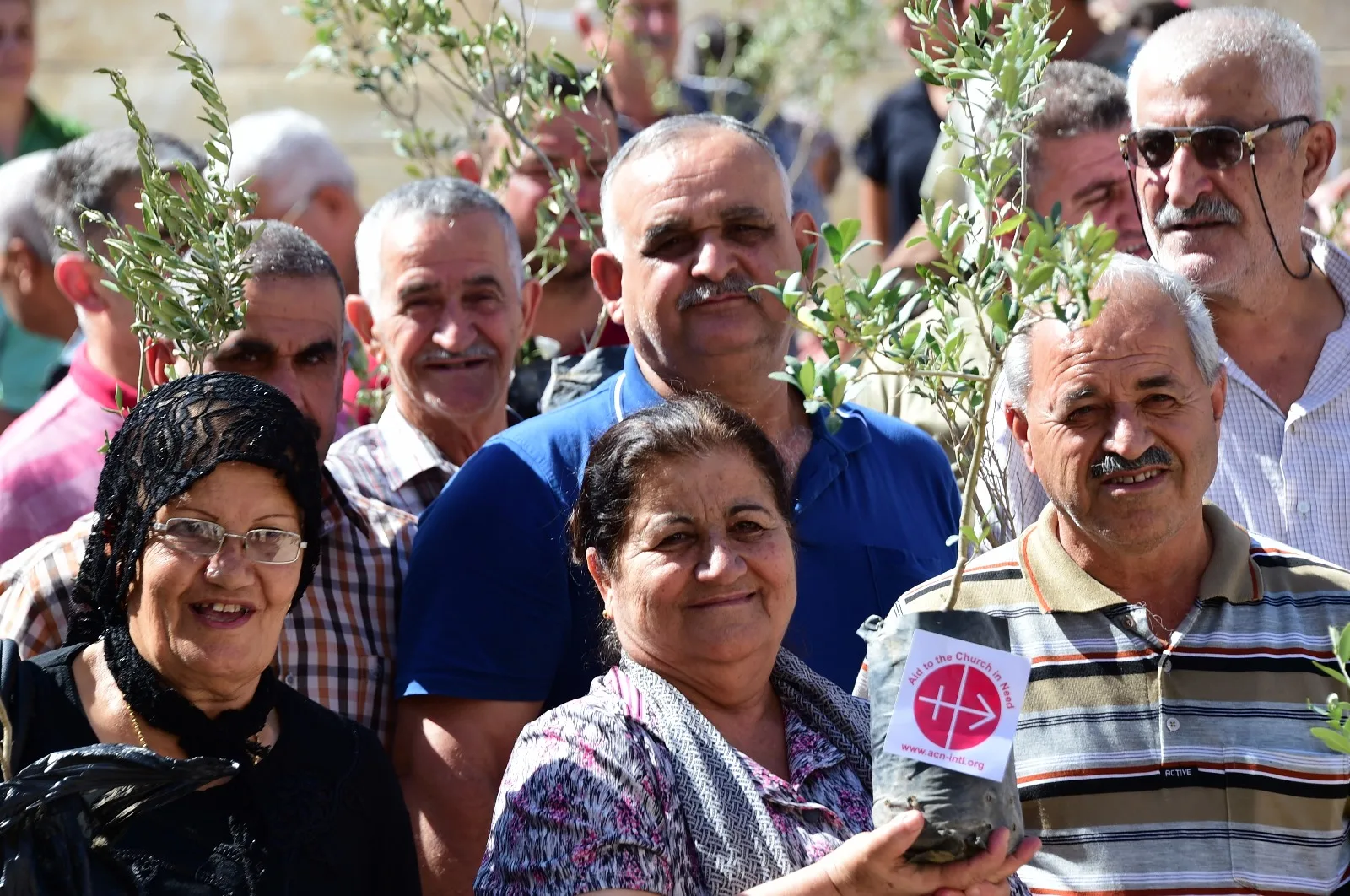
Iraqi Christians represent one of the world’s oldest continuous Christian communities, with roots dating back to the 1st century AD. Despite facing significant challenges in recent decades, their rich heritage continues to fascinate historians and religious scholars alike.
A Legacy Dating Back Two Millennia
Christianity arrived in what is now Iraq during the apostolic age, making Iraqi Christians among the earliest followers of the faith. Their communities have maintained continuous presence in the region for nearly 2,000 years, preserving ancient traditions and practices.
Biblical Connections
Several significant biblical locations are situated within modern-day Iraq, including the traditional site of the Garden of Eden, the Tower of Babel, and Ur of the Chaldeans—Abraham’s birthplace. The land also contains sites associated with Daniel and the Babylonian exile.
The Language of Jesus
Many Iraqi Christians speak Eastern Aramaic dialects, preserving the language Jesus himself spoke. This linguistic heritage represents a living connection to early Christianity and contains similarities to other Semitic languages like Maltese.
Modern Challenges
Today’s Iraqi Christian community faces significant challenges:
- Legal restrictions on interfaith marriages
- Religious conversion restrictions
- Dramatic population decline from 1.5 million before 2003 to approximately 150,000-300,000 today
Cultural Preservation
Despite these challenges, Iraqi Christians continue to maintain their unique cultural identity through their churches, language, and traditions, representing an important thread in the diverse tapestry of Middle Eastern heritage.


